Skip links

Our Work

Technical Assistance to inform measures for Advancing Universal Health Assurance in India for Indian School of Public Policy

AROHAN Partners contributed to the flagship report developed by Indian School of Public Policy-
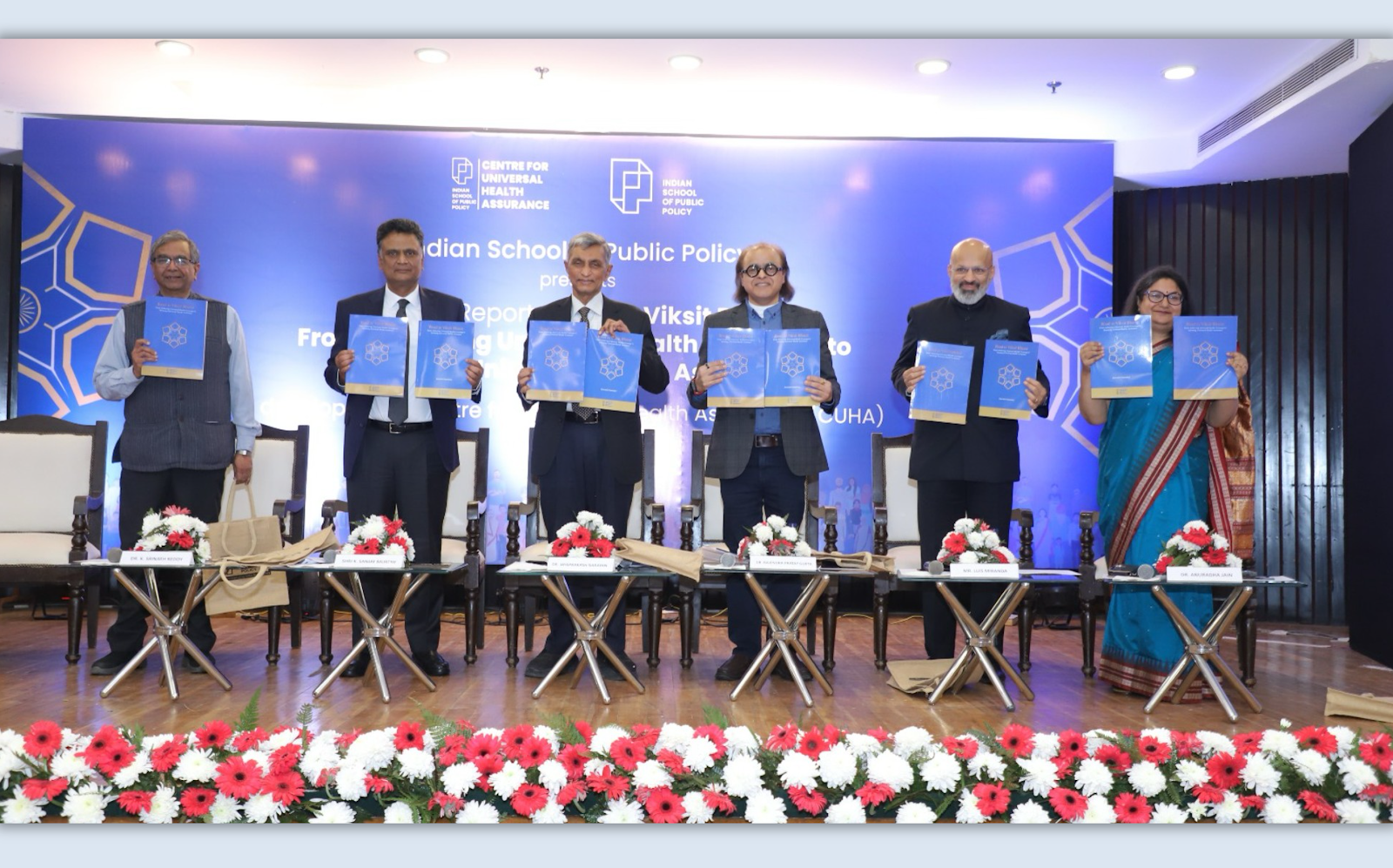
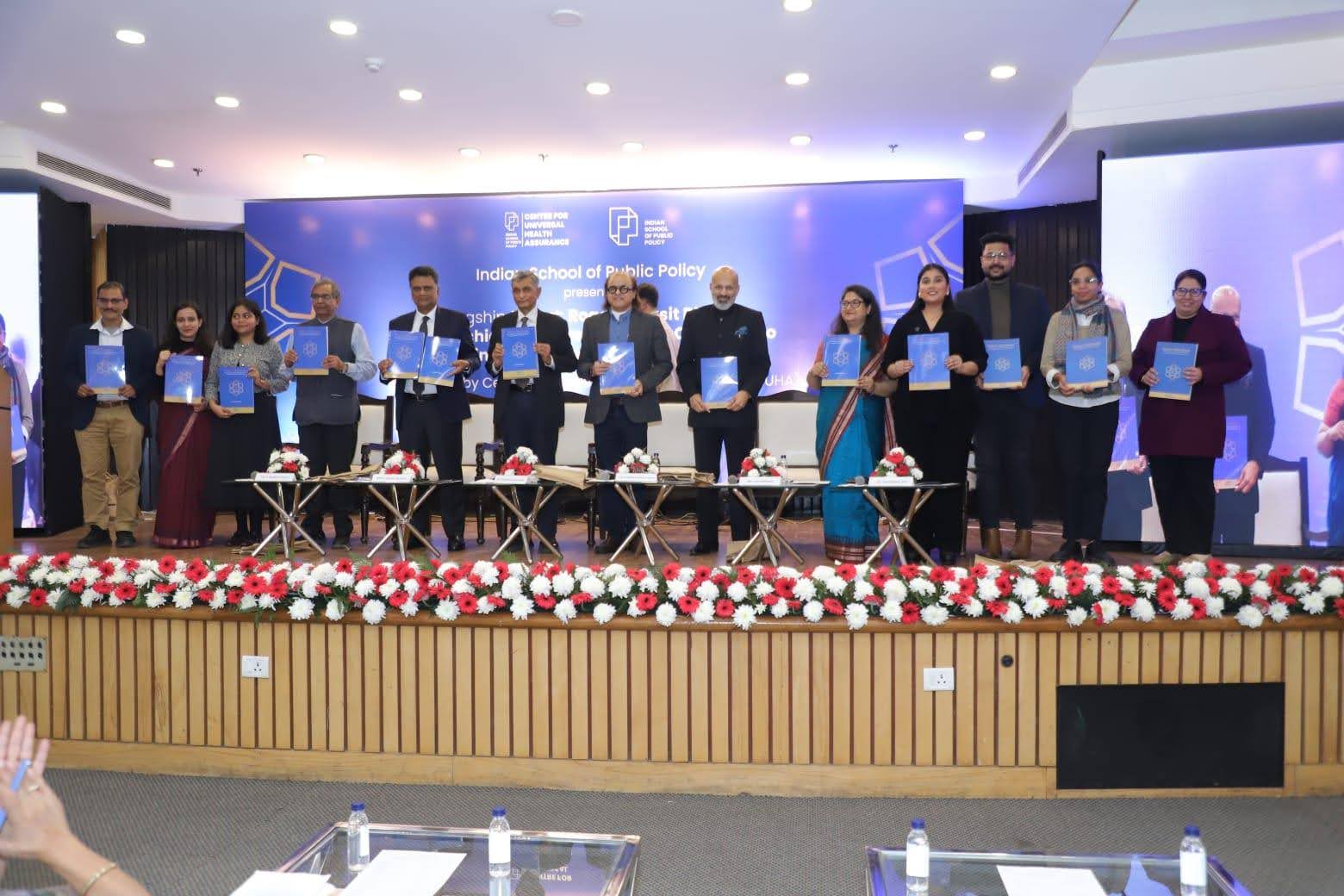
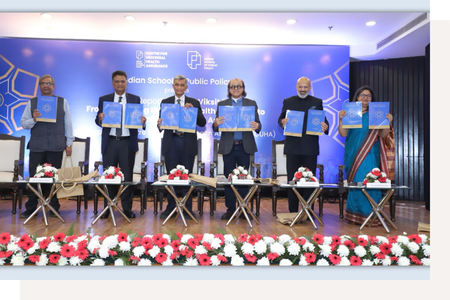
Road to Viksit Bharat: From Achieving Universal Health Coverage to Attaining Universal Health Assurance, launched by the Comptroller and Auditor General of India (CAG) on 11 December 2025. 

Designing an Integrated Care Coordination Model

In India and across the globe, healthcare systems continue to struggle with a persistent challenge: fragmented care delivery. Health facilities, labs, diagnostic centres, and private providers continue to operate largely in isolation, while multiple public health programs run in parallel with uneven integration. For patients and their caregivers, navigating a health system can feel like moving through a complex maze: disjointed facilities, confusing referrals, weak follow-up, and limited information continuity, which often lead to patients falling through the cracks, thereby undermining health outcomes.


Rapid Assessment of Comprehensive Primary Health Care in Assam

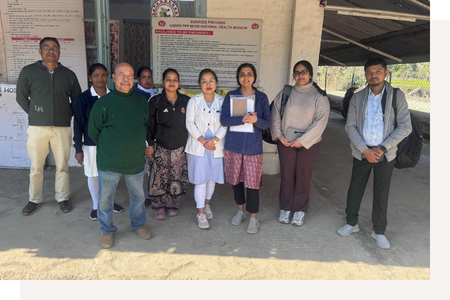
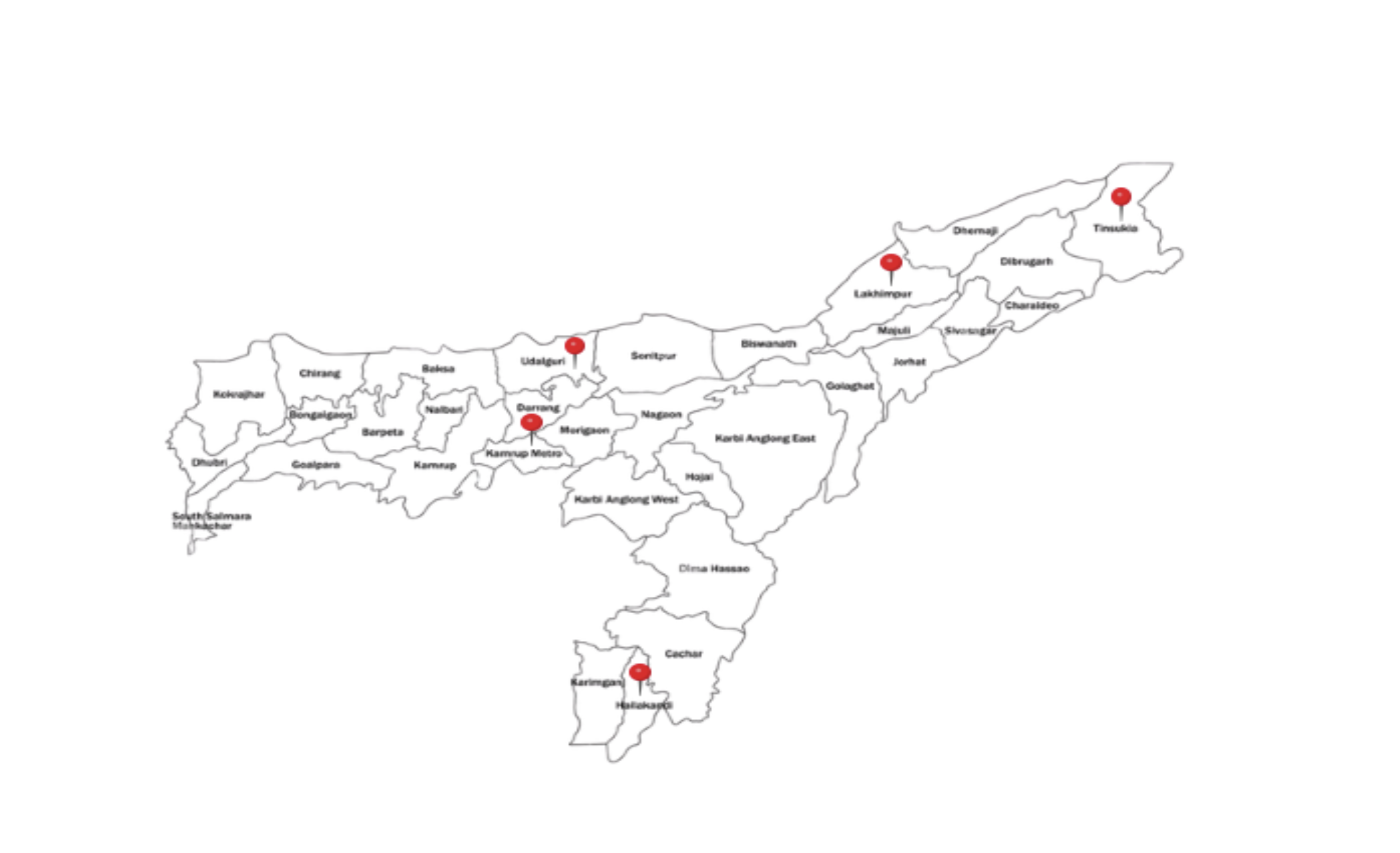
Arohan is undertaking a rapid assessment of Comprehensive Primary Health Care (CPHC) Systems in Assam as part of its broader portfolio of health systems strengthening initiatives. Commissioned by the Gates Foundation, in collaboration with Guwahati Medical College and Hospital (GMCH) and State NHM, this assessment addresses the need for a clear, evidence-based understanding of the current status of CPHC implementation in the State.

This website uses cookies to improve your web experience.

Technical Assistance to inform measures for Advancing Universal Health Assurance in India for Indian School of Public Policy

AROHAN Partners contributed to the flagship report developed by Indian School of Public Policy-

Road to Viksit Bharat: From Achieving Universal Health Coverage to Attaining Universal Health Assurance, launched by the Comptroller and Auditor General of India (CAG) on 11 December 2025.

The report includes two key knowledge products developed  by Arohan

  1. Pradhan Mantri–Jan Aarogya Yojana (PM-JAY): Reflections – Insights on governance, implementation, and systemic gaps in India’s largest public health insurance programme.
  2. Strengthening Community Engagement for UHC – Recommendations for embedding community participation, trust, and accountability within public health programmes.

These contributions enriched the report’s evidence base, highlighting pathways for  people-centred, outcome-oriented, and equitable reforms for strengthening UHC.

Download the full Report from here: https://ispp.org.in/wp-content/uploads/2025/12/cuha-report.pdf  

Designing an Integrated Care Coordination Model

In India and across the globe, healthcare systems continue to struggle with a persistent challenge: fragmented care delivery. Health facilities, labs, diagnostic centres, and private providers continue to operate largely in isolation, while multiple public health programs run in parallel with uneven integration. For patients and their caregivers, navigating a health system can feel like moving through a complex maze: disjointed facilities, confusing referrals, weak follow-up, and limited information continuity, which often lead to patients falling through the cracks, thereby undermining health outcomes. These coordination gaps are evident across services, including maternal and child health, communicable and non-communicable diseases. Behind this maze lie deeper challenges. Providers themselves are constrained by limited access to patients’ longitudinal health data, a lack of standardized treatment protocols, unclear referral chains, poorly defined roles, and heavy administrative burdens. Beyond providers, systemic challenges, from overcrowded facilities and human resource shortages to weak program management and inadequate surveillance, further hinder the delivery of coordinated care. 
Addressing these gaps requires a holistic approach: building a connected network of providers and facilities, leveraging digital tools and health information systems, synchronizing vertical health policies, and ensuring every patient receives seamless, continuous care. This exploratory study by Arohan Partners, conducted in collaboration with Access Health International, aims to inform the design of an integrated care coordination model. Although the model is currently in its design phase, our study is built around the vision of its full implementation. Through this lens, we aim to lay out the rationale for integrated care coordination, develop a Theory of Change (ToC) to map its potential benefits, and identify additional and complementary strategies needed to fully realise its potential.

Rapid Assessment of Comprehensive Primary Health Care in Assam

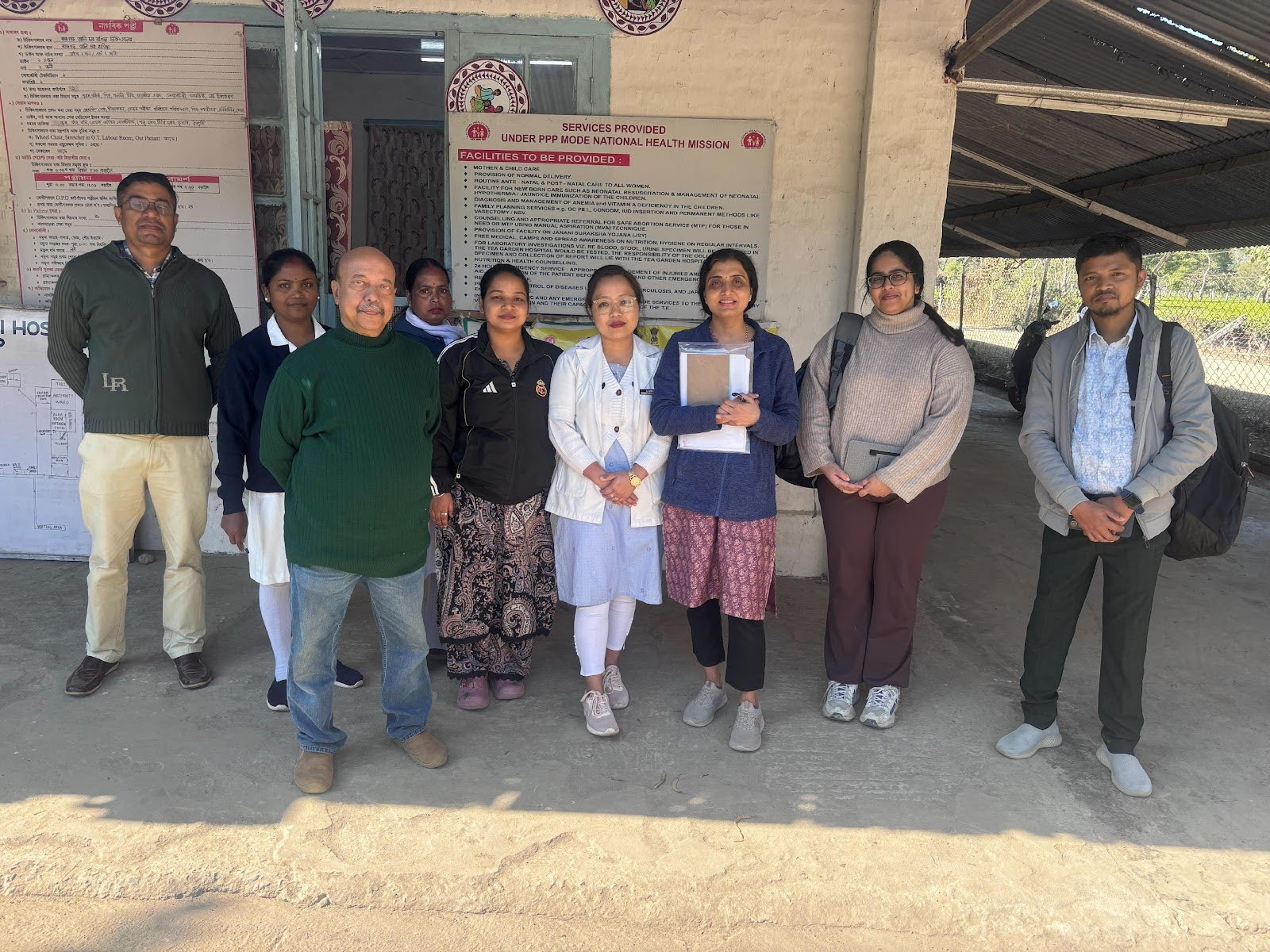
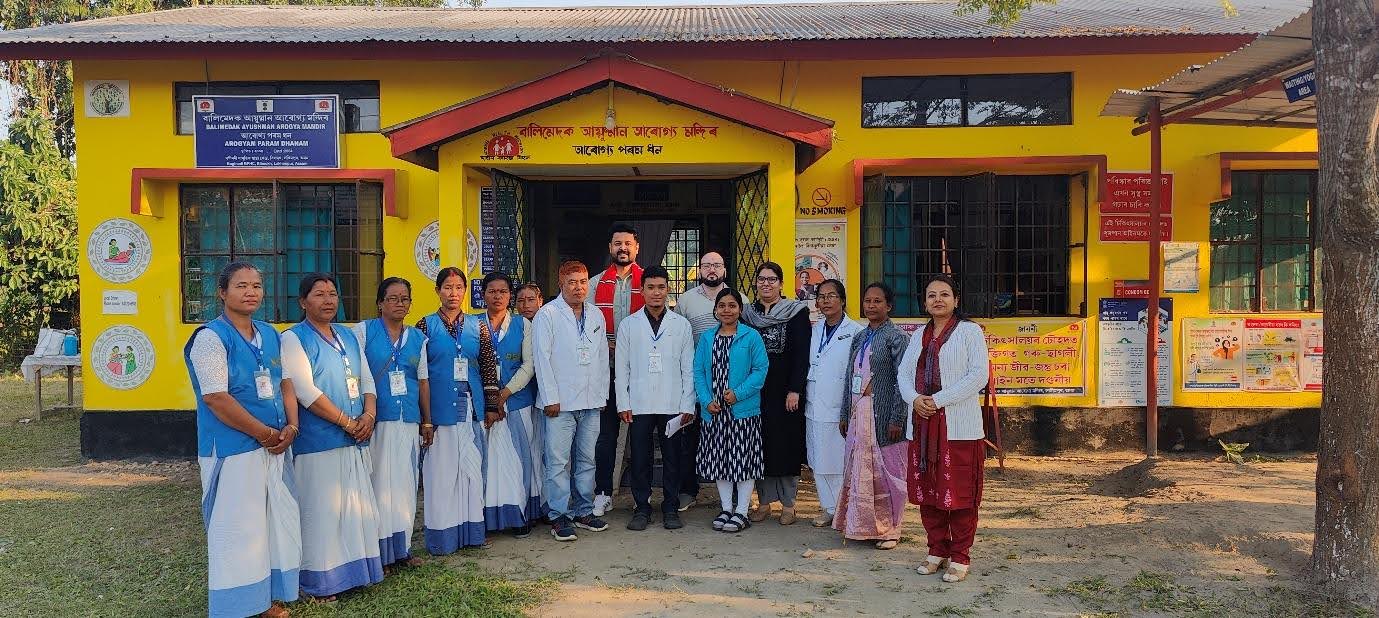
Arohan is undertaking a rapid assessment of Comprehensive Primary Health Care (CPHC) Systems in Assam as part of its broader portfolio of health systems strengthening initiatives. Commissioned  by the Gates Foundation, in collaboration with Guwahati Medical College and Hospital (GMCH) and State NHM, this assessment addresses the need for a clear, evidence-based understanding of the current status of CPHC implementation in the State.

The work seeks to identify key enablers, systemic barriers, and high-potential focus areas within CPHC service delivery mechanisms of the State. The findings from this assessment aim to generate actionable insights to guide future investments and strategies for strengthening primary health care in Assam and informing subsequent Gates Foundation support to the sector.